Water Storage System
A water storage system is an essential component of modern water management, designed to collect, store, and distribute water for domestic, agricultural, industrial, and emergency uses. These systems ensure a reliable supply of water even when natural availability fluctuates due to droughts, seasonal variations, or irregular rainfall. By storing water efficiently, communities can maintain access to clean and adequate water resources throughout the year.
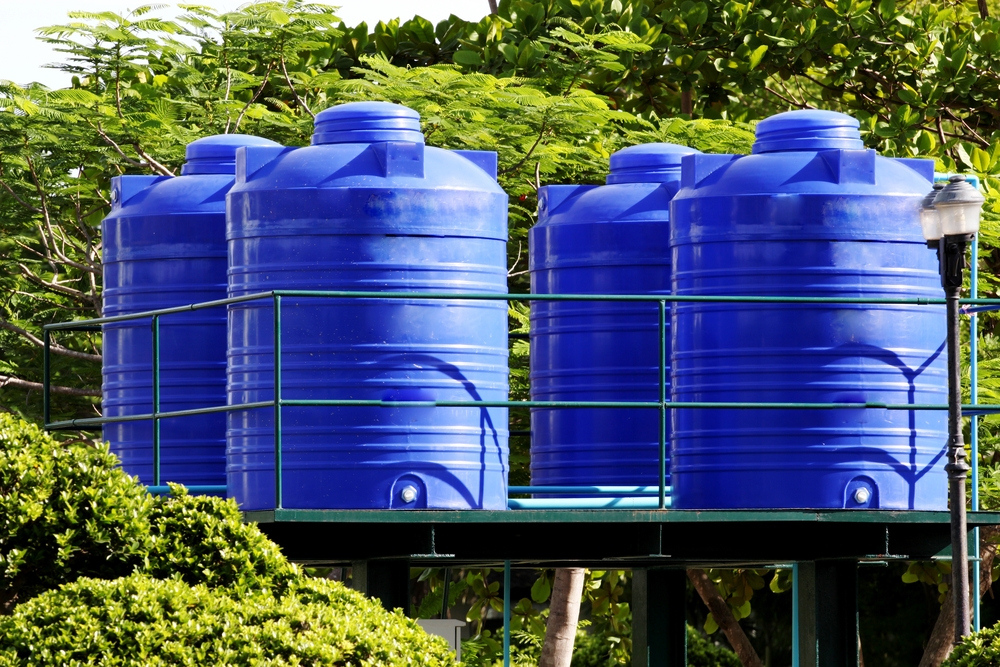
Water storage systems come in various forms, including tanks, reservoirs, cisterns, and underground storage structures. The choice of system depends on factors such as climate, water demand, available space, and the purpose of storage. In urban areas, large elevated or ground-level tanks are commonly used to supply households and commercial buildings. These tanks may be made of reinforced concrete, steel, or plastic, and are designed to withstand pressure, weather conditions, and long-term use.
The process of implementing a water storage system begins with site selection and design. Engineers assess factors such as land stability, drainage patterns, water source proximity, and safety requirements. After selecting the site, excavation or foundation work is carried out to prepare a stable base for the structure. Proper materials are chosen based on the system’s capacity and the quality of water to be stored. For example, drinking water systems require materials that do not contaminate the water.
Once constructed, the storage system is connected to a water supply source, such as a borehole, river, rainwater harvesting system, or municipal distribution line. Pumps, pipes, and valves are installed to control the flow of water into and out of the tank or reservoir. In many systems, filtration and treatment units are also included to ensure that the stored water remains safe and clean. This may involve sedimentation, chlorination, or advanced purification methods.
To maintain reliability, water storage systems are equipped with overflow channels, vents, and drainage outlets. These components prevent flooding, maintain air pressure, and allow for periodic cleaning. Regular maintenance is crucial, including inspections for leaks, cleaning of sediments, and checking of mechanical components.
Overall, a water storage system is a vital infrastructure that supports stable water availability for daily life, agriculture, and industry. By ensuring that water is stored safely and efficiently, these systems play a key role in promoting public health, supporting economic activities, and enhancing resilience against water shortages and environmental challenges.
- Teacher: SAMMY KIMTAI